
Disclaimer: Included in this post are links to tours I have personally taken or booked for clients on Viator. If you book these tours thru the links in this post, as a travel agent, I will receive a small commission.
As the second most populous city in Spain, the capital of Catalonia, Barcelona is a popular travel destination. Located on the Mediterranean Sea, Barcelona is a great choice if you enjoy history, architecture, culture and food. Below are my favorite 8 things to do when visiting this beautiful city:
1. Sagrada Familia

Probably one of the first things that comes to mind when people think of Barcelona is Sagrada Familia. Construction on Sagrada Familia began in March 1882 and is still continuing as of the writing of this post. It’s the largest unfinished Catholic Church in the world! When will the church be complete, no one knows, originally estimated to be finished by 2026, after some delays due to that pesky covid, they now have stopped providing and estimated completion date.
The construction of the church is funded by donations, so this caused it to get off to a slow start. Then there were delays due to construction stoppage and some parts of the completed construction being destroyed during the Spanish Civil War. But it definitely looks to be getting closer to completion and the construction over the past few years has really been picking up speed thanks to the donations received when you purchase a ticket to tour Sagrada Familia. And wow do a lot of people buy tickets! Sagrada Familia is probably the busiest tourist attraction in all of Barcelona.

There have been a number of architects involved with the construction of Sagrada Familia, including the infamous Antoni Gaudi who took over in 1883 when the original architect resigned. Gaudi was famous for incorporating elements of nature and color into his architecture. His architectural designs were modern looking, but he also made sure they were functional as well. Gaudi worked on Sagrada Familia until he was hit by a trolley car in 1926. As Gaudi used to dress very modestly, when he was hit by the trolley car, he was mistaken for a homeless man, and it was days before they realized it was him in the hospital. He eventually passed away from his injuries from the accident. He is buried in the crypt of Sagrada Familia.
I highly recommend signing up for a skip the line tour of Sagrada Familia. I took this tour and it was great to hear additional information from the tour guide that I may not have learned if I wasn’t on the tour. But the best thing was being able to skip the very long line into Sagrada Familia. There is a lot of detail in the church and during the tour, the guide will point out the features of the outside of the church.

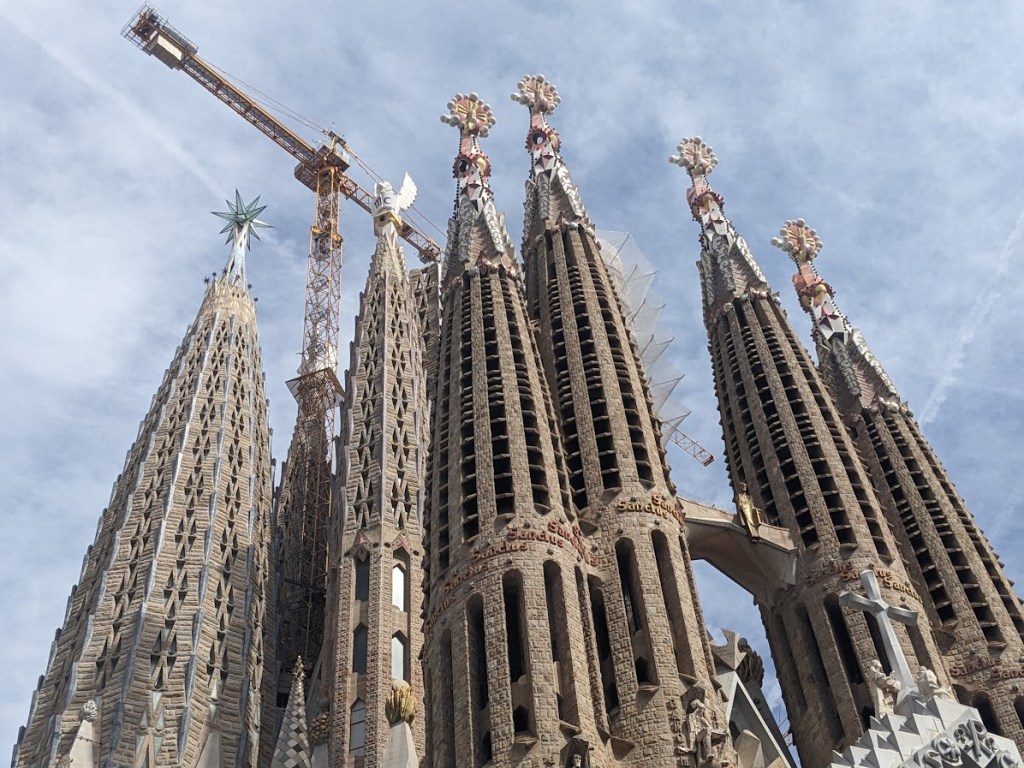

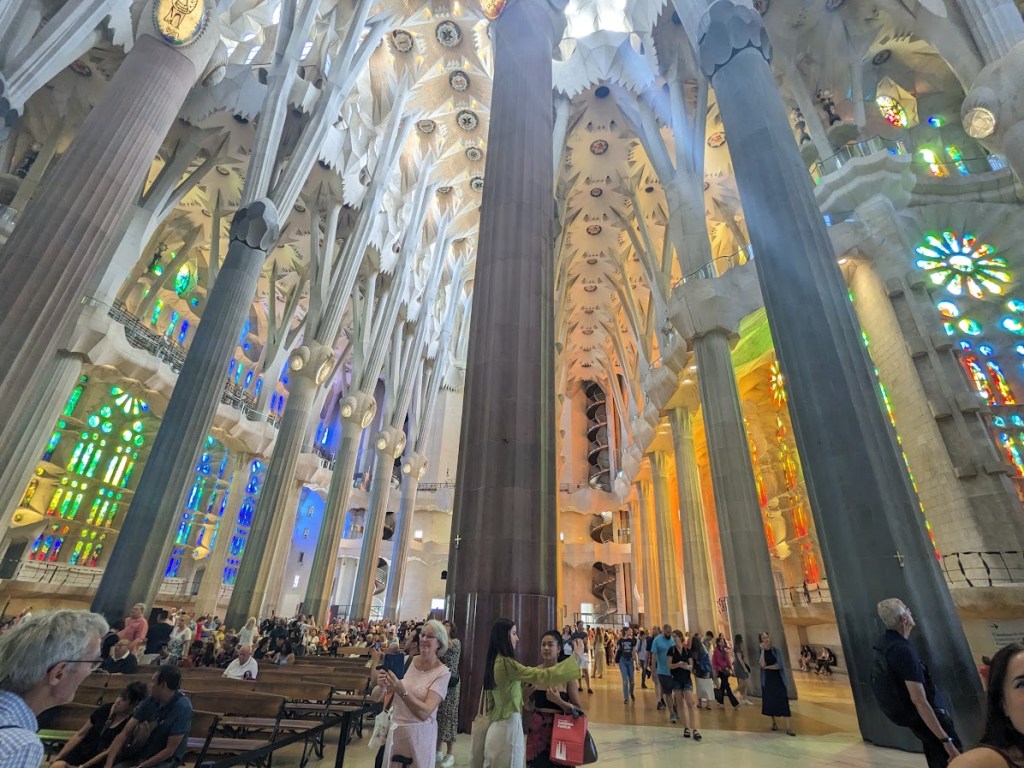
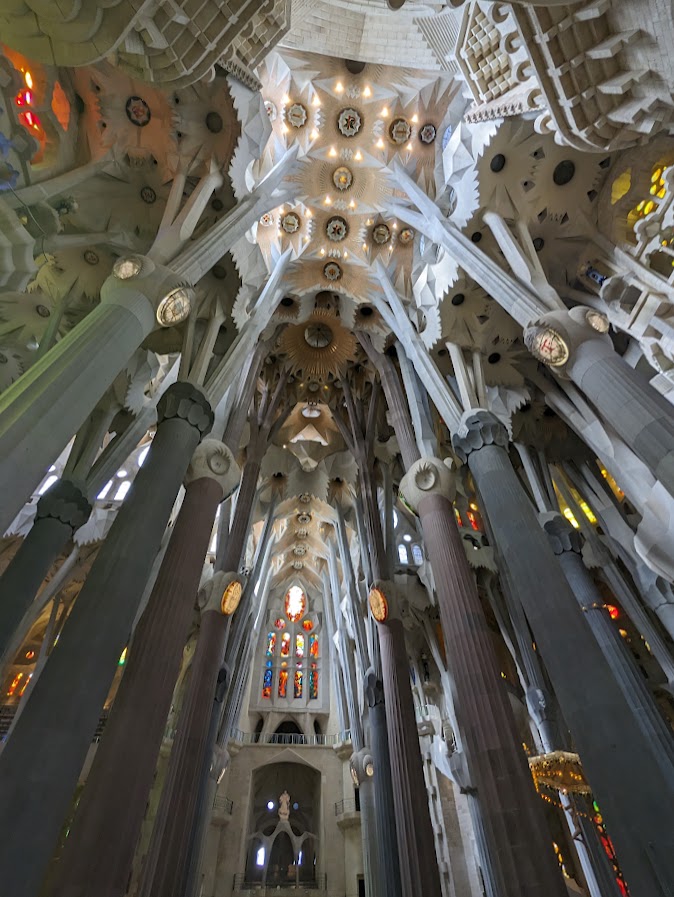
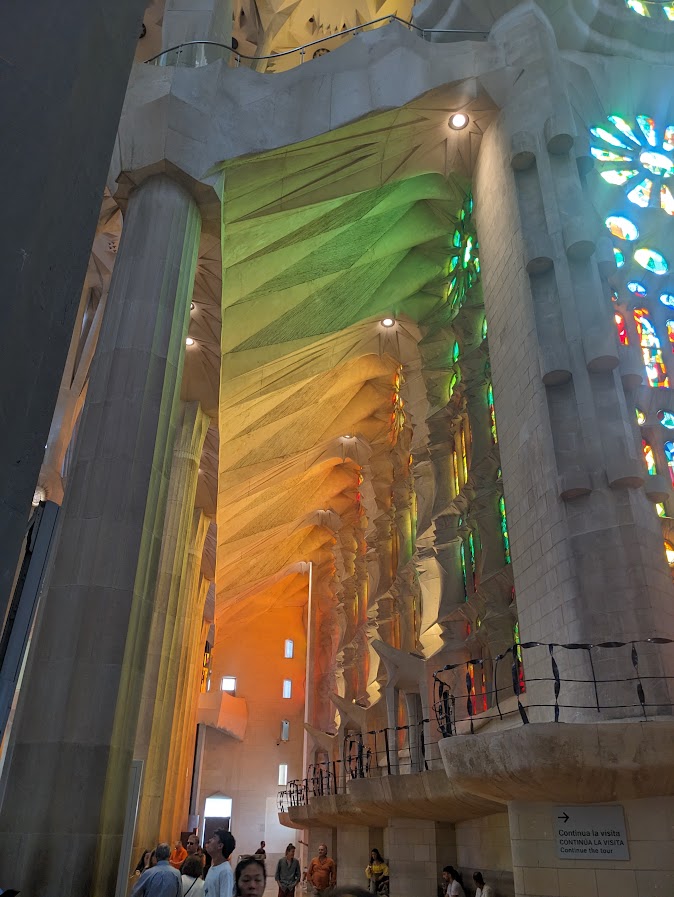
You could spend hours admiring all the details on the outside of the church. And the great thing about the tour, which lasts one hour and a half, is that you are allowed to stay as long as you would like after the tour is over to see more of Sagrada Familia on your own. While the details on the outside are stunning, it’s the interior that I really enjoyed. Keeping with Antoni Gaudi’s use of nature in his architecture, the interior columns looked like trees. And you must visit during daylight hours, the colors inside the church from the sun reflecting in thru the stained-glass windows was one of the most beautiful things I’ve ever seen.

2. Park Guell
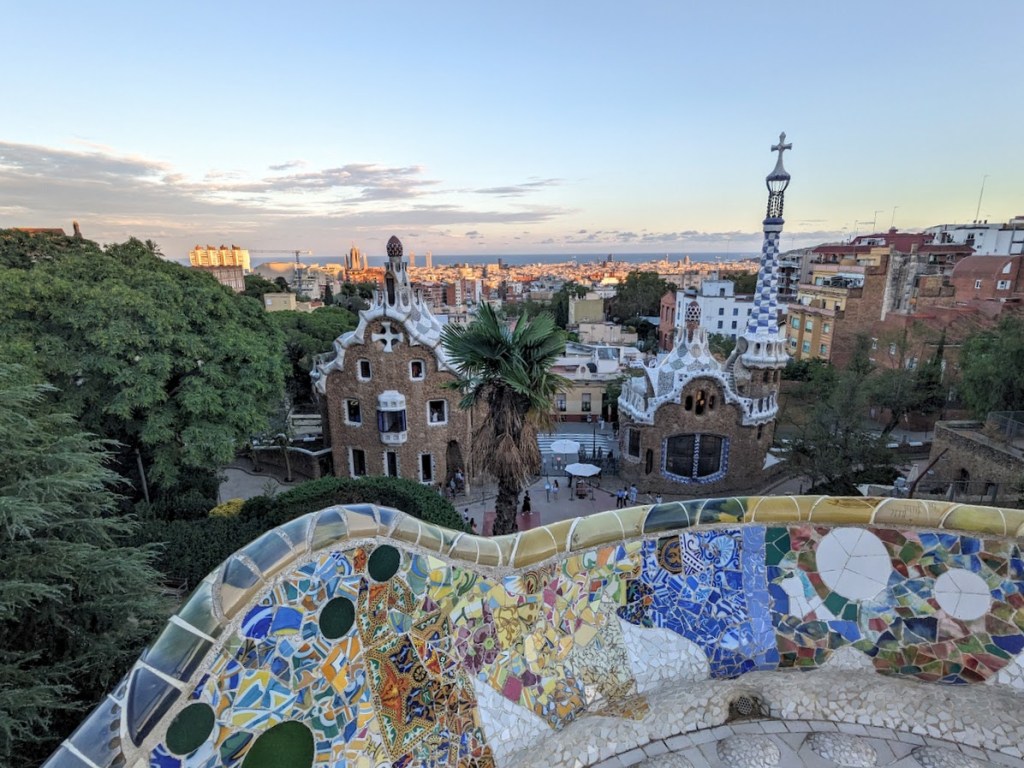
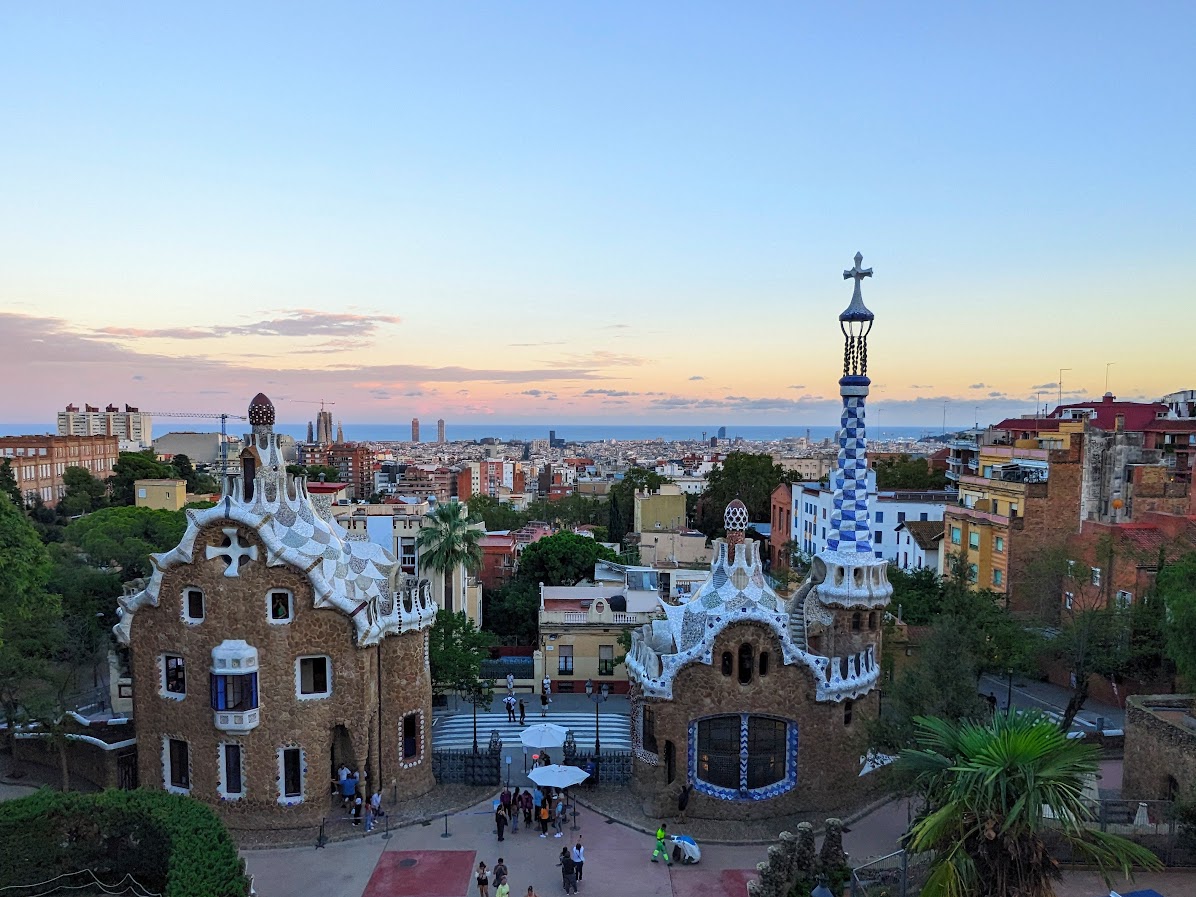
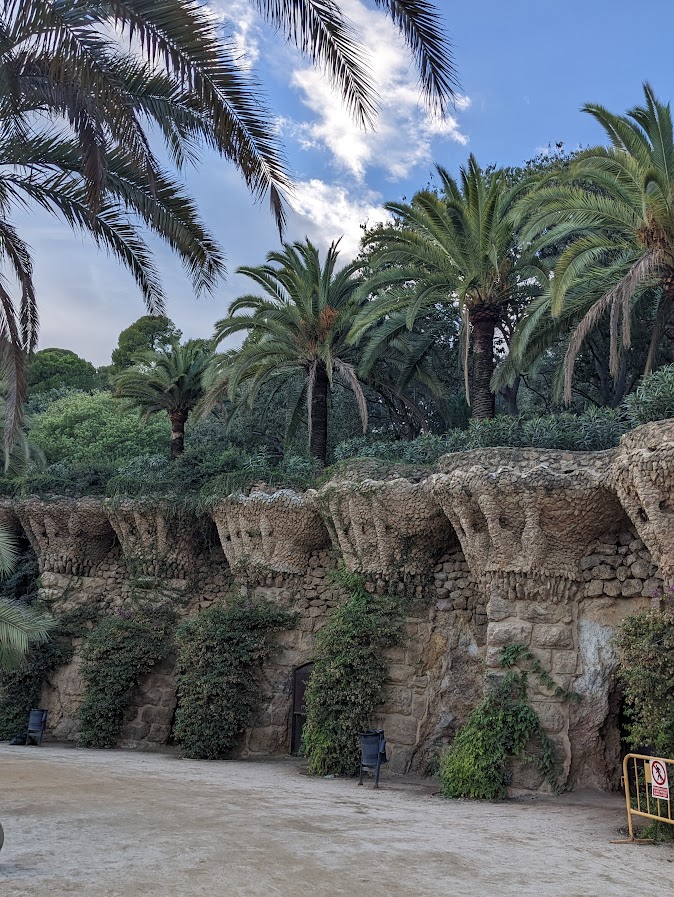
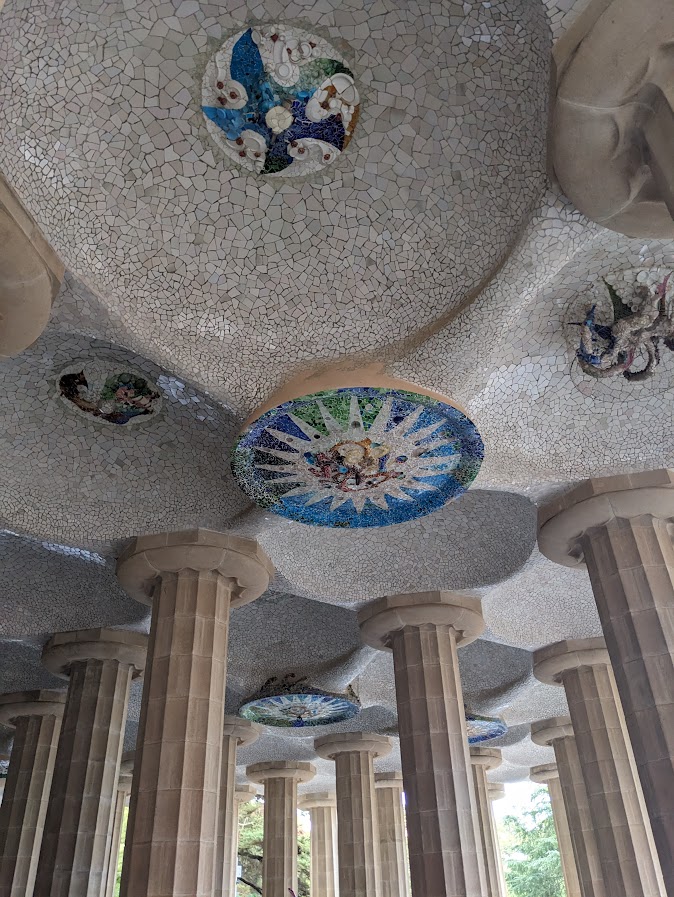
Another one of the many Antoni Gaudi attractions in Barcelona is Park Guell. Many of you will probably recognize this park from the pictures of the colorful benches overlooking the gingerbread style houses high above the city of Barcelona. Park Guell is a must visit.
Park Guell was originally planned as a housing development based on an idea by Eusebi Guell who the park is named after. Guell hired Gaudi as the architect for the project. After two houses were built on the site and neither of them sold, Gaudi moved into one of the homes and that home now serves as the Gaudi House Museum.
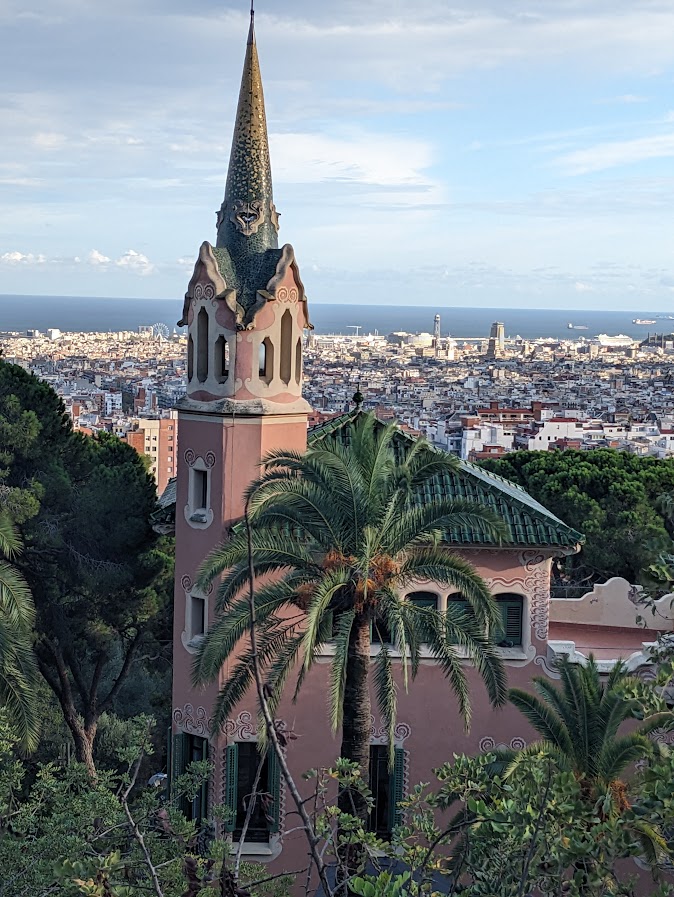
After they were not able to get any buyers on the homes built, they opened the area as a municipal park. Up until October of 2013, the park was free to enter, but since that time they started to charge an admission fee into Park Guell. Be sure to check the website for admission times and prices before you go. Like most things since covid, you must purchase your tickets in advance for a timed entry. They do offer skip the line guided tours as well, I took this tour and I really enjoyed it. As always, you are free to stay in the park and explore more after the tour.
It’s really a shame that no one was interested in purchasing a home at Park Guell. I have to wonder if there would be more interest if they tried to sell the homes today, the view alone would definitely bring some interest to the site. You must be forewarned; a great view comes with quite the elevation. If you take the metro to Park Guell be prepared for a walk up a steep hill and stairs. The view is definitely worth the walk up though. It’s even a beautiful spot to catch the sunset.

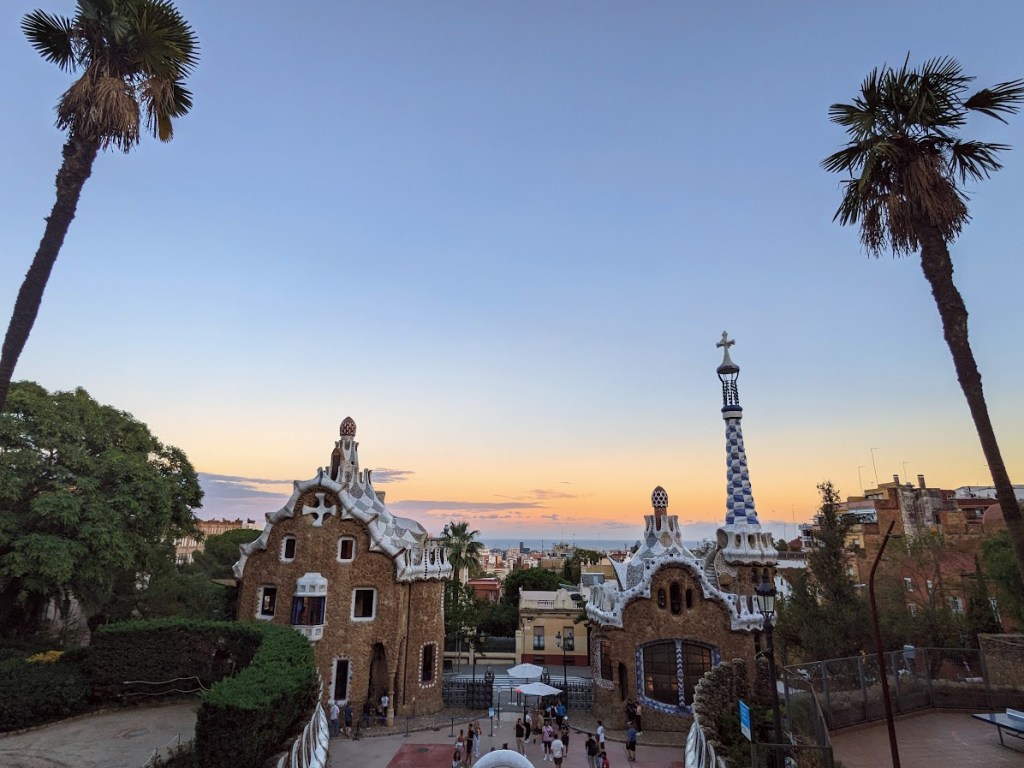
The park is a perfect example of Gaudi incorporating nature and animals into his architecture. The colorful bench along the balcony is also a perfect example of how he not only creates something beautiful but also makes sure that it’s functional. There is so much in architecture that is beautiful but doesn’t serve a function or is very uncomfortable. The bench is not just beautiful but also a comfortable spot for many people to sit and relax.


3. Gaudi Houses
By now you have probably noticed a theme that many attractions in Barcelona are related to Antoni Gaudi’s work. There are so many buildings around Barcelona designed by this famous architect. There are three homes that I highly recommend visiting while you are in Barcelona.
Casa Batllo is probably the most visited of the three homes. My hotel was located around the corner and no matter what time of day or night I walked by there was a group of people outside either waiting to get in or taking pictures of the outside of the building.

The outside of the home is impressive enough with colorful mosaic tiles adorning the front and interesting shape of the balconies and facade. Casa Batllo was actually a 1904 redesign of a previously built home. The interior of the home is equally as stunning as the exterior. They have a few different ticket options on their website, including some that include an augmented reality experience where you can use a tablet in each room to see how it would have looked back in the day.

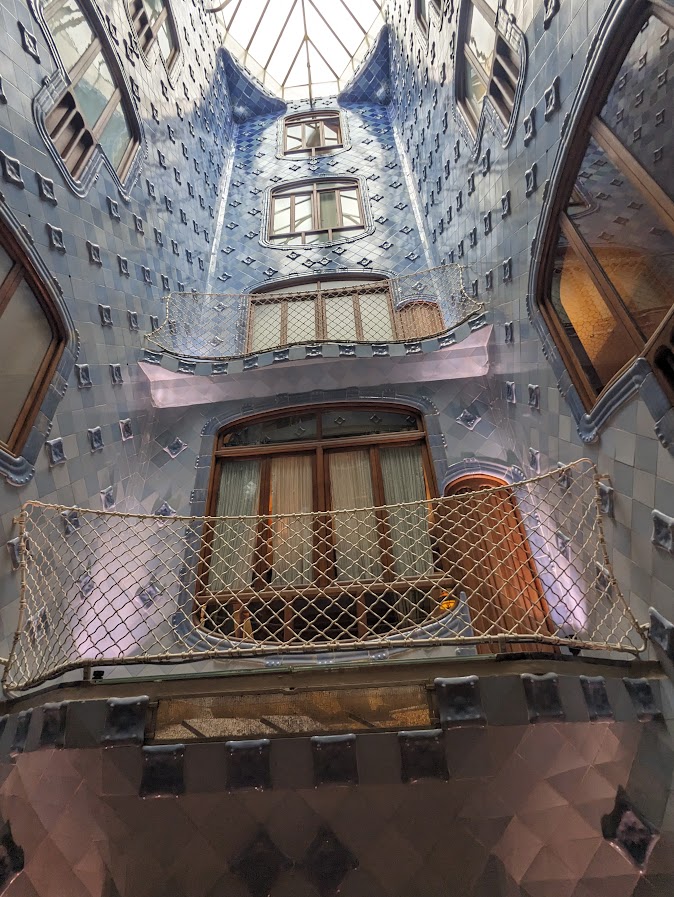
One thing I noticed about Barcelona is their love of rooftops. Gaudi took the rooftop designs to a new level; the roof of Casa Batllo is arched to look like the back of a dragon. On a nice day, make sure to spend some time on the roof, they have a bar and plenty of seating.

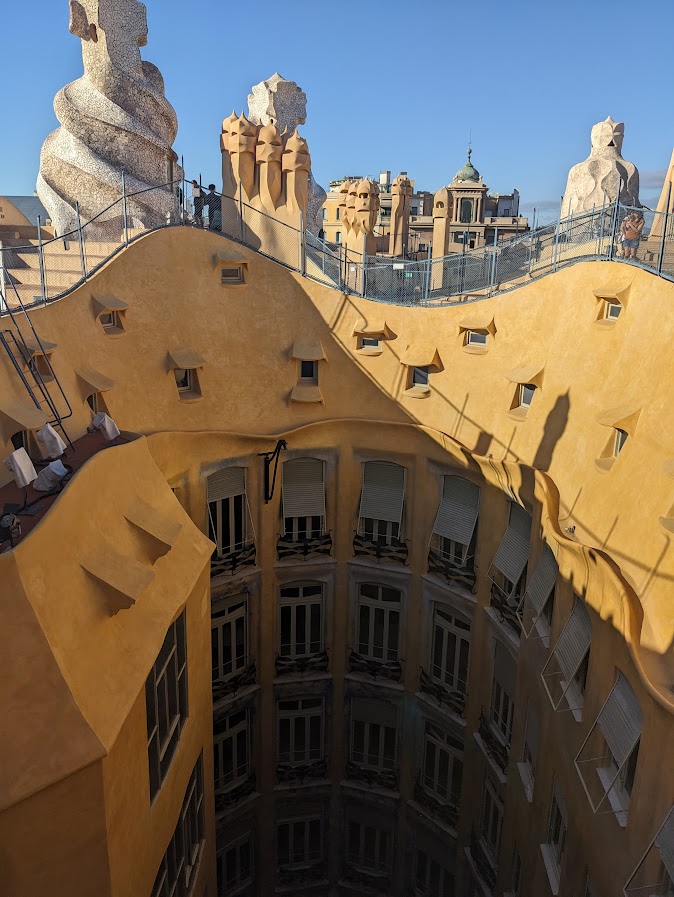
Casa Mila is not far from Casa Batllo. Gaudi designed this home for the Mila family between 1906-1912. It is also known as La Pedrera, which translates to stone quarry, because it resembles the look of a quarry.

Like Casa Batllo, Casa Mila features interestingly shaped balconies and a curving facade. The rounded interior with the open-air ceiling was impressive to say the least. The attic was shaped like the inside of a whale and the roof top of Casa Mila was even more impressive than Casa Batllo’s rooftop. Remember I said that Gaudi likes things to be both beautiful and functional, this was just what he accomplished with the roof. The chimneys and skylights looked more like art.


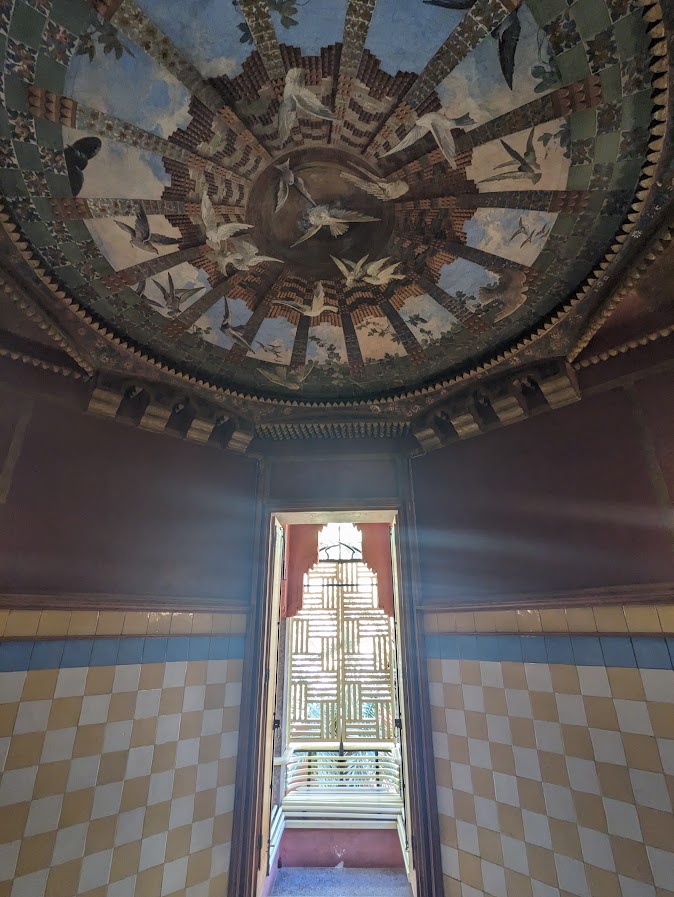
The final of the three houses to visit is Casa Vicens, which was my personal favorite. While it’s one of the lesser visited of the three houses, Casa Vicens is Gaudi’s first major project.

Built between 1883 and 1885 as a summer home of the Vicens family, Casa Vicens has a more colorful look to it than the other two homes. The style of the home was part of Gaudi’s Orientalist period with influences from places such as Japan and India. The home included a beautiful garden and fountain and had a somewhat open atmosphere to it. As with all of his buildings, the roof top was also stunning.


4. Gothic Quarter
No visit to a major city is complete without a visit to the historic center of the city. In Barcelona, this would be the Gothic Quarter.

Dating back thousands of years, the Gothic Quarter of Barcelona was once settled by the Romans. While the remains of the Roman walls are still a part of the Gothic Quarter, many of the buildings you will see today date back to only the 19th and early 20th century. The buildings definitely seem older as you walk along the narrow streets in the quarter.
Some things of note to see while exploring the Gothic Quarter:
- Barcelona Cathedral – Construction started on the cathedral in 1298. While the majority of the Barcelona Cathedral was completed some 150 years later, it wasn’t until 1913 when the facade and tower were completed.
- Church of Santa Maria del Pi – Built in the 14th century, this church has suffered quite a bit of damage over the years from an earthquake, a war and a fire. It went thru a number of restorations with the most recent being after a 1936 fire that gutted the church.
- Barcelona City Hall – Built in the late 14th century, this building has been in use by the government of Barcelona dating back to the middle ages.
- Street Art – Blending in with the old gothic buildings is present day street art. One of the more popular pieces of street art is the Kissing Mural. Looking at the mural, you can’t really see what it is, until you look into your camera and you see the two lips kissing, it’s quite a remarkable piece of street art.


5. Montjuic
While there is a lot of history dating back thousands of years in the Gothic Quarter, the birthplace of Barcelona is the famous hill in the city, Montjuic. Translated as “Jewish Mountain” and standing at over 550 feet at its highest point, Montjuic provides stunning views of the city and port of Barcelona below.

Many of the attractions at Montjuic were built for the 1929 International Exhibition. The International Exhibition wasn’t the only large event to take place on Montjuic. It was also the site of many venues for the 1992 Olympic Games and you can visit the Olympic & Sport Museum at Montjuic. Some other must-see attractions are:
- Barcelona Botanical Garden
- Joan Miro Foundation Art Museum
- Museu Nacional d’Art de Catalunya
- Magic Fountain
One of the top attractions is Montjuic Castle, located on the very top of the hill. The first military fortress on Montjuic dates back to 1640. It was demolished in 1751 and the current fortress was built by the end of the 18th Century. Montjuic Castle has been part of many wars over the years and has a rather violent history, most notably during the Spanish Civil War when prisoners of both sides were tortured and shot on Montjuic. Regardless of its violent past, Montjuic Castle is worth a visit.

Getting to the top of Montjuic is an experience in itself. While you can walk up if you have the energy for a steep walk, most people take a combination of a funicular to the Montjuic Cable Car to get to the top. The views from the cable car are absolutely amazing! You can see Sagrada Familia in the distance and really get a better idea of just how large it is when you see it towering over the city of Barcelona.

6. Arc de Triomf and Parc de la Ciutadella
In 1888, the first World’s Fair in Spain was held in Barcelona. There was a lot of construction that went on in the city prior to the World’s Fair. One of the more popular places that was constructed for the World’s Fair was the Arc de Triomf.
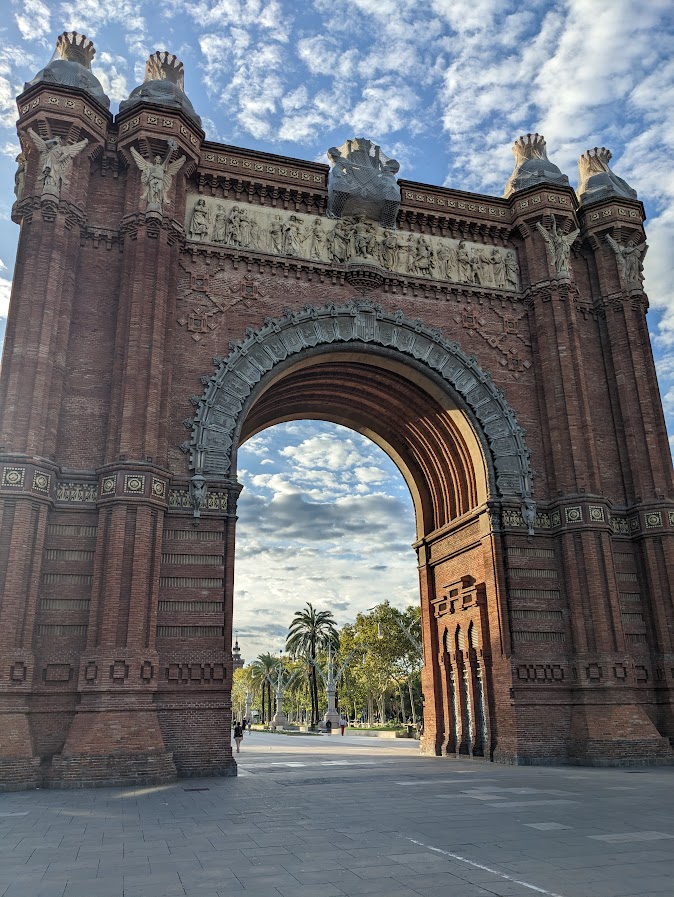
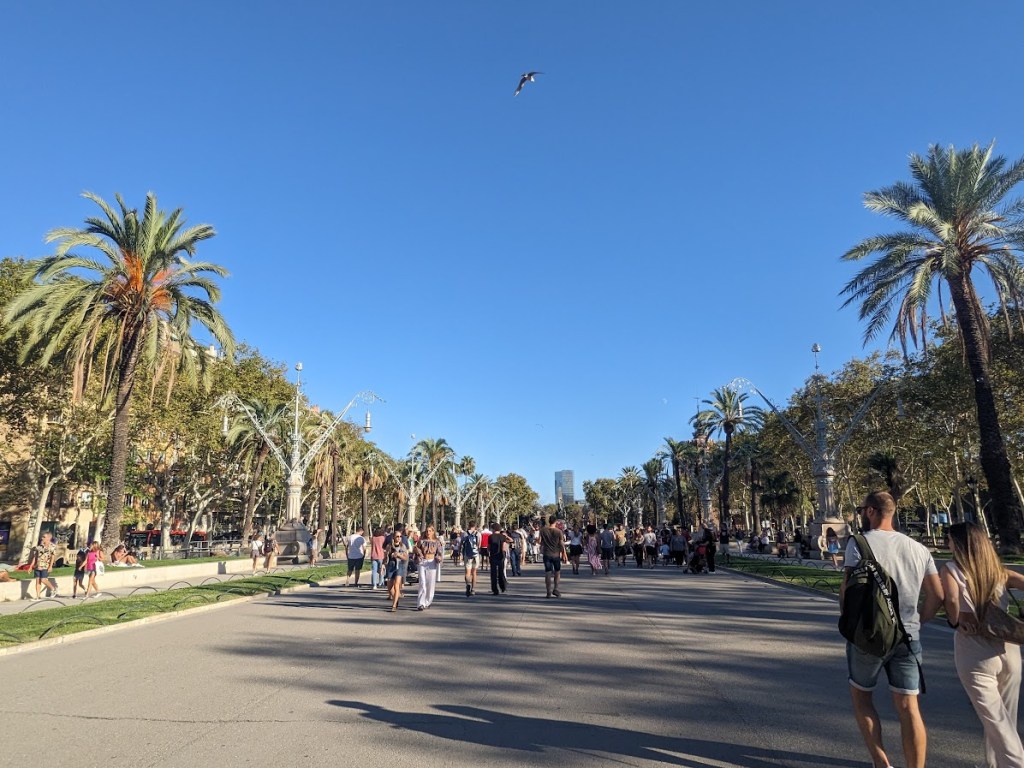
As you walk thru the Arc de Triomf, you will come across the palm tree lined walkway, Passeig Lluis Companys. Along this beautiful walkway, you can see street artists performing and many locals and tourists alike out enjoying the day. When I walked thru there was a gentleman who was entertaining children with bubbles. It’s a great spot for the whole family to take a walk.
Parc Ciutadella is the main site of the 1888 World’s Fair. Prior to that it was the site of a military citadel which is how the park got its name. Some of the buildings from the 1888 World’s Fair are still standing at Parc Ciutadella to this very day.
Some of the main sites to explore at Parc Ciutadella are:
- Barcelona Zoo – which has been on this site since 1892
- Cascada – This waterfall and fountain was built for the 1888 World’s Fair
- Castell dels Tres Dragons – this beautiful building was built as a restaurant for the 1888 World’s Fair and more recently housed the Museum of Zoology until 2010.
7. La Rambla
Located to the west of the Gothic Quarter is the most well-known street in the city of Barcelona, La Rambla. Stretching from Placa de Catalunya at the north end of the street to Port Vell at the southern end, La Rambla is made up of a series of shorter streets. For this reason, it is sometimes referred to as Las Ramblas. La Rambla is worth checking out both during the day and at night.
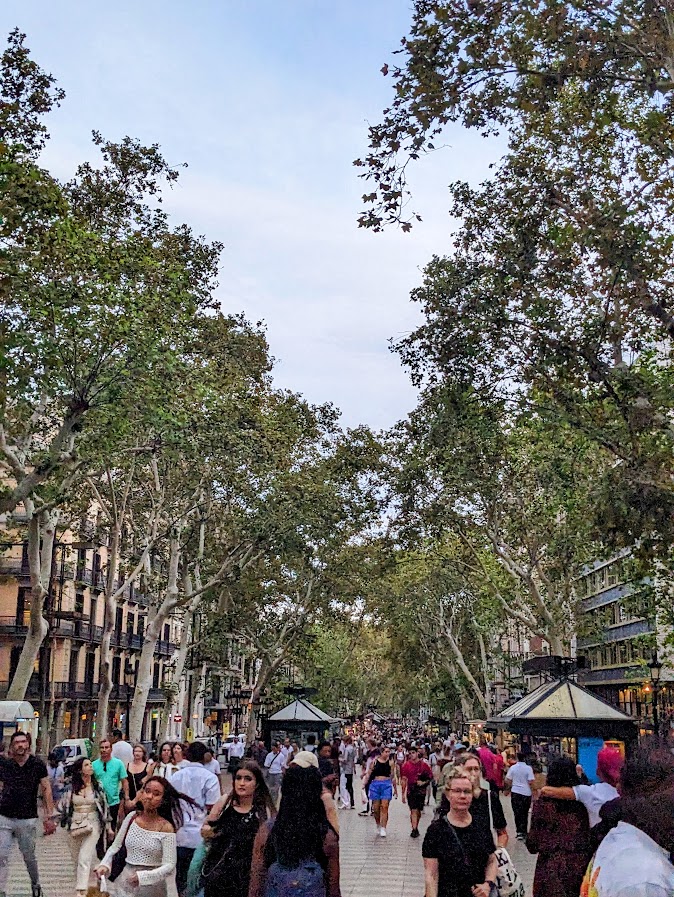
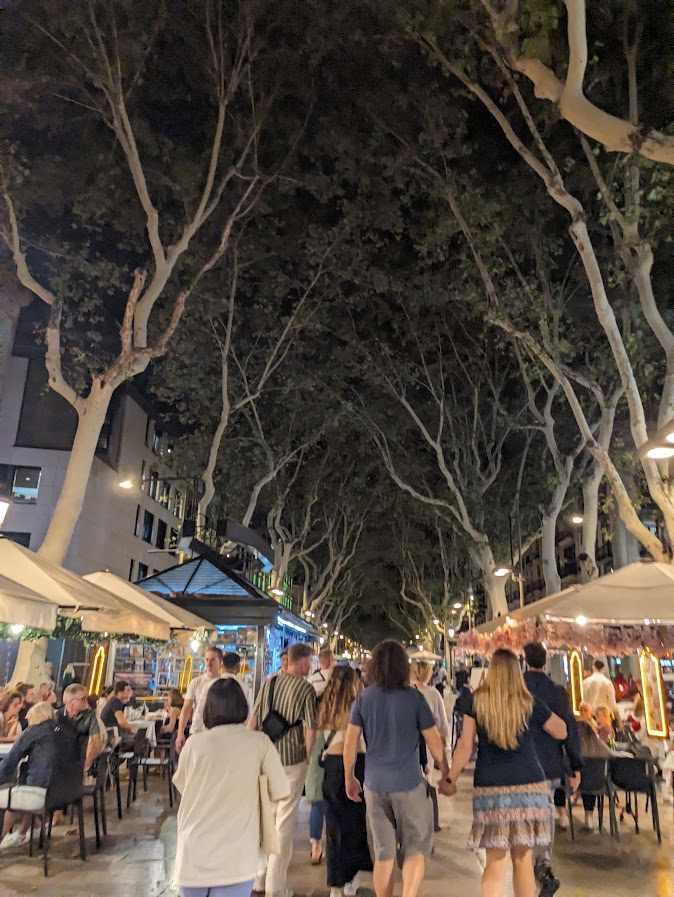
Some of things to do along La Rambla include:
- Liceu Theatre – As the largest opera house in all of Europe when it opened in 1847, this theater is a great place to see the opera or ballet while in Barcelona. They also offer tours of the theater in the mornings.
- Mercat de La Boqueria – The first known mention of a market in this location dates all the way back to 1217. With a long past, this is a must visit for fresh fruits, meats and a small meal in one of the food stalls.
- Tablao Flamenco Cordobes – No visit to Spain is complete without experiencing a Flamenco show. Located on La Rambla is Tablao Flamenco Cordobes which is the most historic tablao in Barcelona, founded in 1970.
- Restaurants, shops and street performers – There are no shortage of restaurants, most with outdoor seating along La Rambla. There is also plenty of shops to explore and amazing street performers to entertain you along La Rambla.
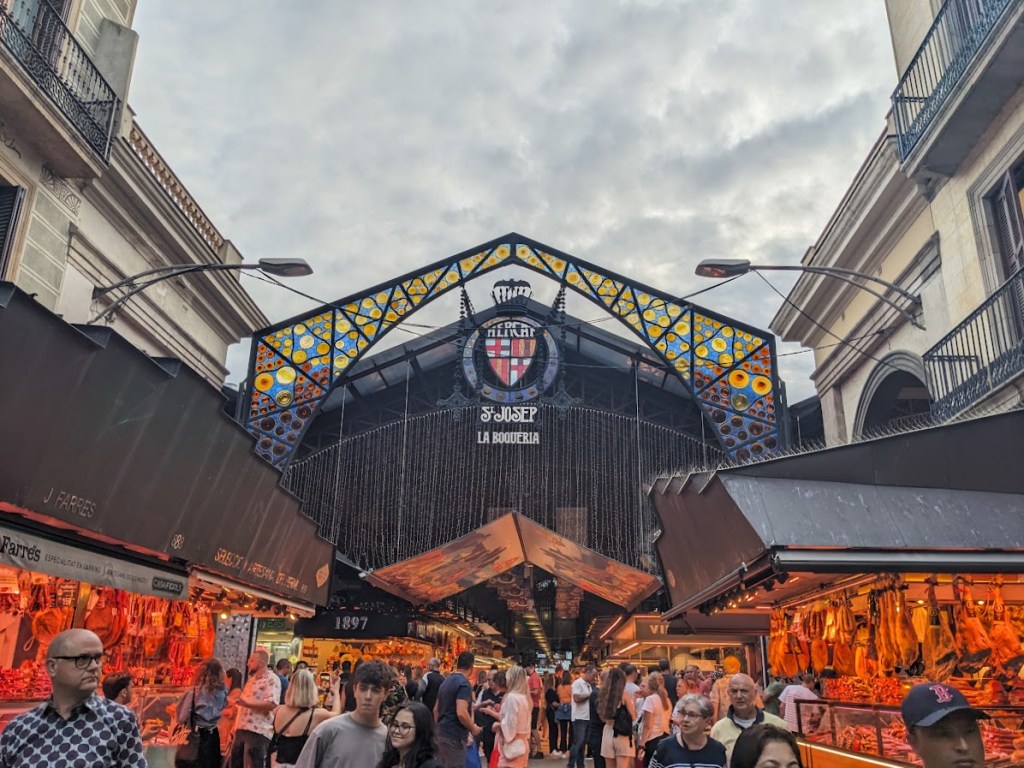

8. La Barceloneta
Being that Barcelona is located on the Mediterranean Sea, you must visit the area along the sea while there. This area is known as La Barceloneta. Unlike the oldest part of the city, the Gothic Quarter, La Barceloneta only dates back to the mid-eighteenth century when fishermen in Barcelona began to settle in this area of the city.
Probably the most popular spot to visit in La Barceloneta is the beach. Not only can you relax on the beach, but there is also a beautiful promenade along the beach for a relaxing walk.
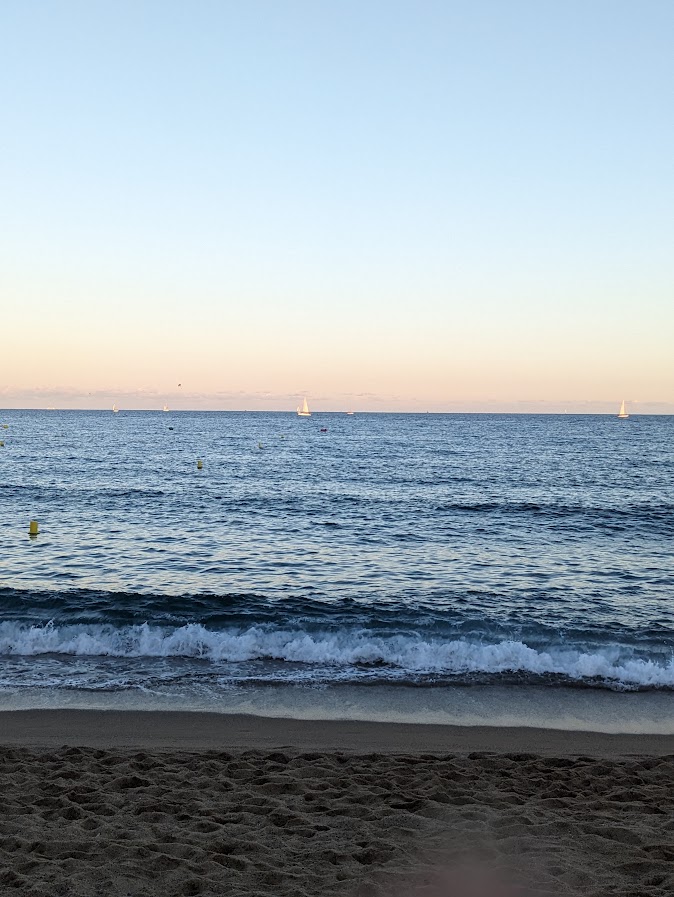


Other than the beach, you can walk the narrow streets and grab a bite to eat or a drink in one of the many restaurants and bars. This is a great area of the city to enjoy some fresh seafood.
If you are a history buff, you must visit the Museu d’Historia de Catalunya to learn all about the history of Catalonia. Just like at Montjuic, there is a cable car in La Barceloneta as well. This cable car will take you from La Barceloneta to the bottom of Montjuic.
Near La Barceloneta is Port Vell where you can visit Barcelona’s Aquarium, visit the IMAX theater and get some shopping done.
Bonus – Day Trips from Barcelona
While there is plenty to see and do in the city of Barcelona itself, there are plenty of day trips that are worth taking. Some top day trips include:
- Montserrat – Located just an hour outside of Barcelona, this Monastery is the most popular day trip from Barcelona. Located on the top of a mountain with some unusual and beautiful rock formations, it’s worth the visit for not just the history of the monastery but also the stunning views and hiking. The monastery is known for its Boys Choir which dates all the way back to the early 1200s as well as the Black Madonna. I took a half day tour to Montserrat, check out my post on whether a half day tour was enough time at Montserrat.

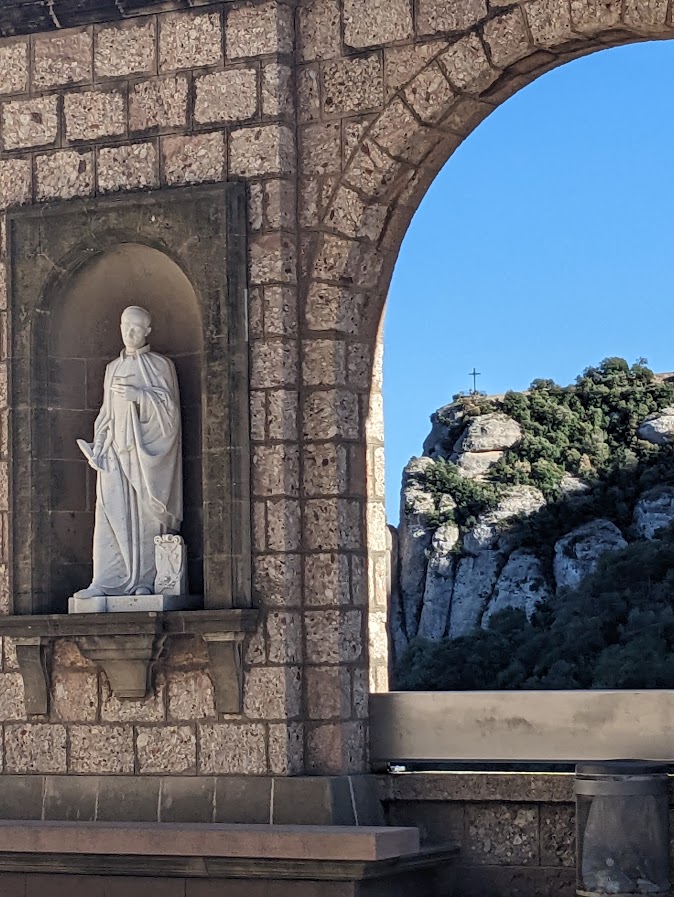

- Costa Brava – If you want to explore more of the Mediterranean coast than what you can see in La Barceloneta, a day trip to Costa Brava is a must! With its rocky cliffs and clear Mediterranean waters, this vacation spot is popular for some relaxation and sunshine. Some of the towns in Costa Brava date back to as early as the 12th century, making it a popular spot for history lovers as well. If you have ever visited Cinque Terre in Italy, it’s fairly similar with different towns along the coast to visit. Check out my post on Costa Brava to learn more about this great day trip.


There’s a lot to see and do in Barcelona and beyond. You could easily spend a full week or more in this beautiful city in Spain, but if you are short on time, I would suggest no less than 4 days to at least be able to enjoy the highlights. If you are planning a trip to Barcelona and other parts of Spain, Beyond The Miles Travel is more than happy to help you make the trip a memorable one.
Pin for later:
 Beyond The Miles Travel Blog
I’d love to visit one day! That church is so incredible.
LikeLiked by 1 person
Barcelona is a stunning city and one of the best destinations for a city break. While many people visit for the vibrant beach scene, I enjoy admiring the eclectic architecture of the city.
LikeLiked by 1 person
The architecture was what I loved most about Barcelona
LikeLike
Barcelona is indeed a balance of architecture in its infrastructures, and natural beauty through its beaches.
LikeLiked by 1 person
Loved this! It gave me some new tips for my next trip to Barcelona!
LikeLiked by 1 person
This brings back great memories of visiting Barcelona. I never get tired of seeing La Sagrada Familia and Park Guell. La Barceloneta was my favourite meeting place!
LikeLiked by 1 person